Context
This study explores the challenges first-year college students face in regards to socialization. Many students struggle to form connections, leading to feelings of isolation that can impact their overall college experience. The study originated as a class project, prompting our team to investigate the factors contributing to this issue and how socialization—or lack there of —affects students' well-being and class performance.
Finding the Problem
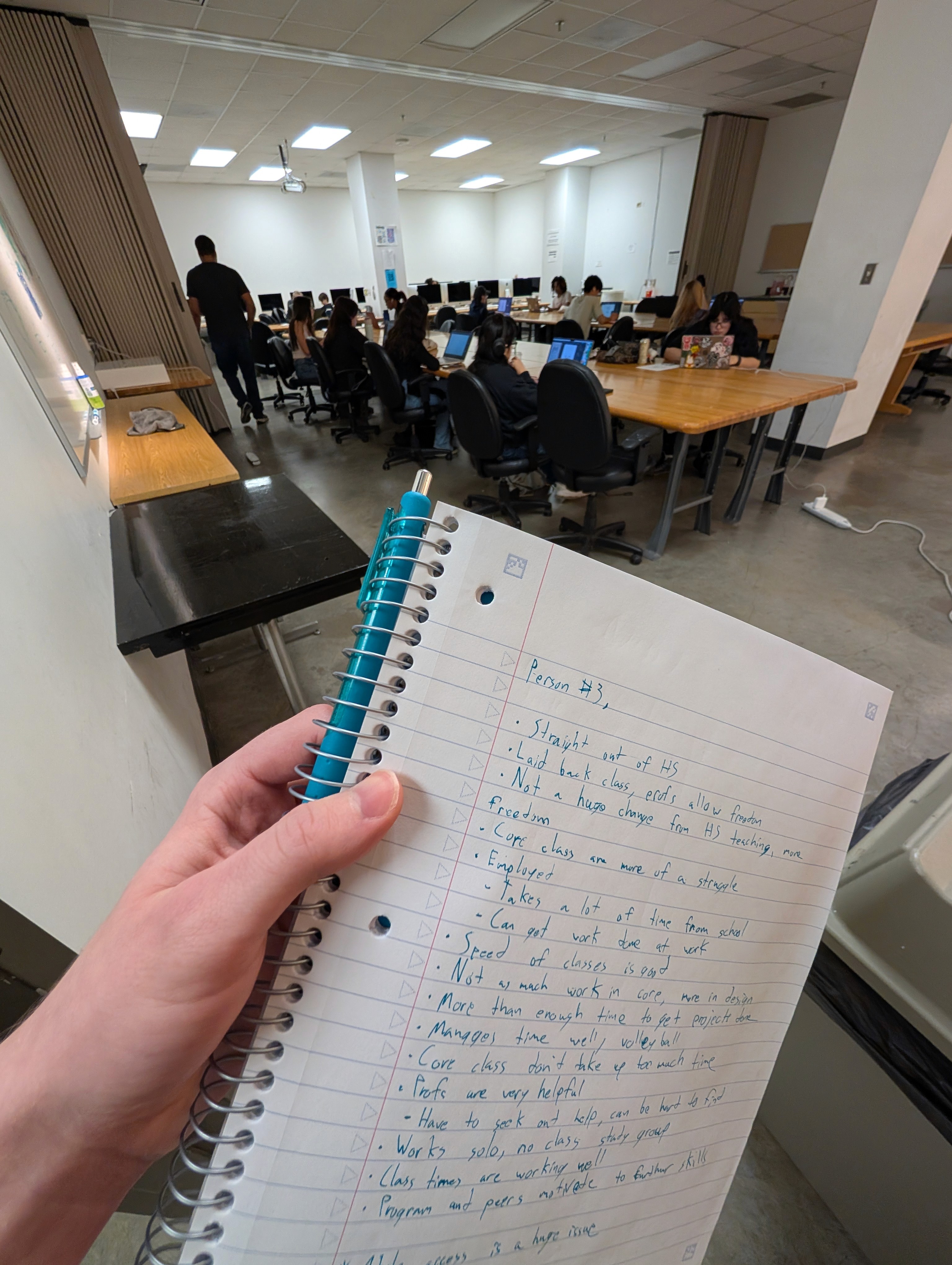
Before we started interviewing and sending out surveys to first years, we focused on collecting information from preexisting data to give us a stable foundation of knowledge to build off of. We directed the main focus points to understanding student workloads, resources provided to them, social life, and how they are dealing with transitioning to a new environment. These focal points allowed us to build a strong understanding of how new underclassmen are feeling in regards to school, combining with our own experiences we can piece together a general understanding of our audience.
Workload
Focusing on how first years are handling their core classes and degree classes while also balancing personal life.
Social Life
Understanding the struggles or successes first years have when socializing with others.
Transition
Seeing how first years are affected by the changes from high school to college or if they transferred.
Resources
Asking first years about their use of the resources provided by the program.

Common Student Trends
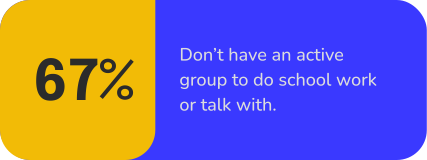
Based on our preliminary research we formed our initial questionnaire comprising of 13 main talking points with additional talking points being added based on conversation. Our main questions revealed interesting results:
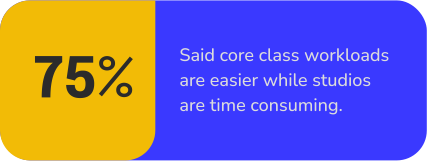
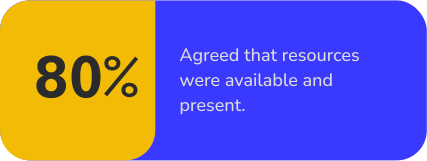
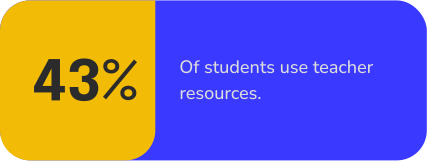
Faculty and Teachers Trends
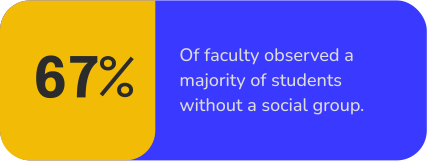
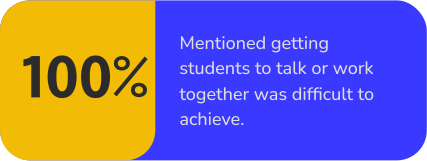
Following our initial interviews with students we began interviewing faculty and professors that teach first year courses. Our results show a reoccurring trend among a majority of our questions.
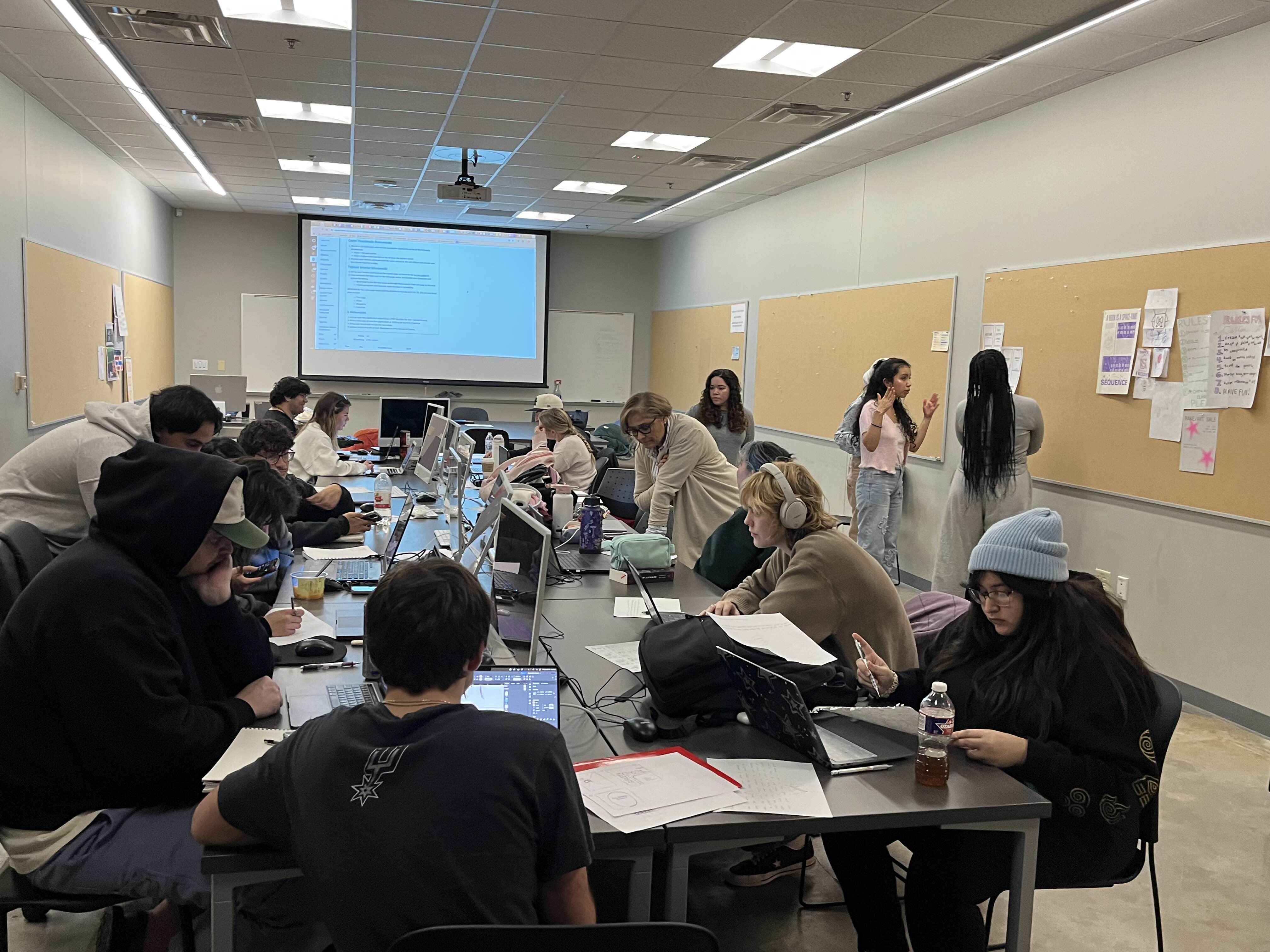
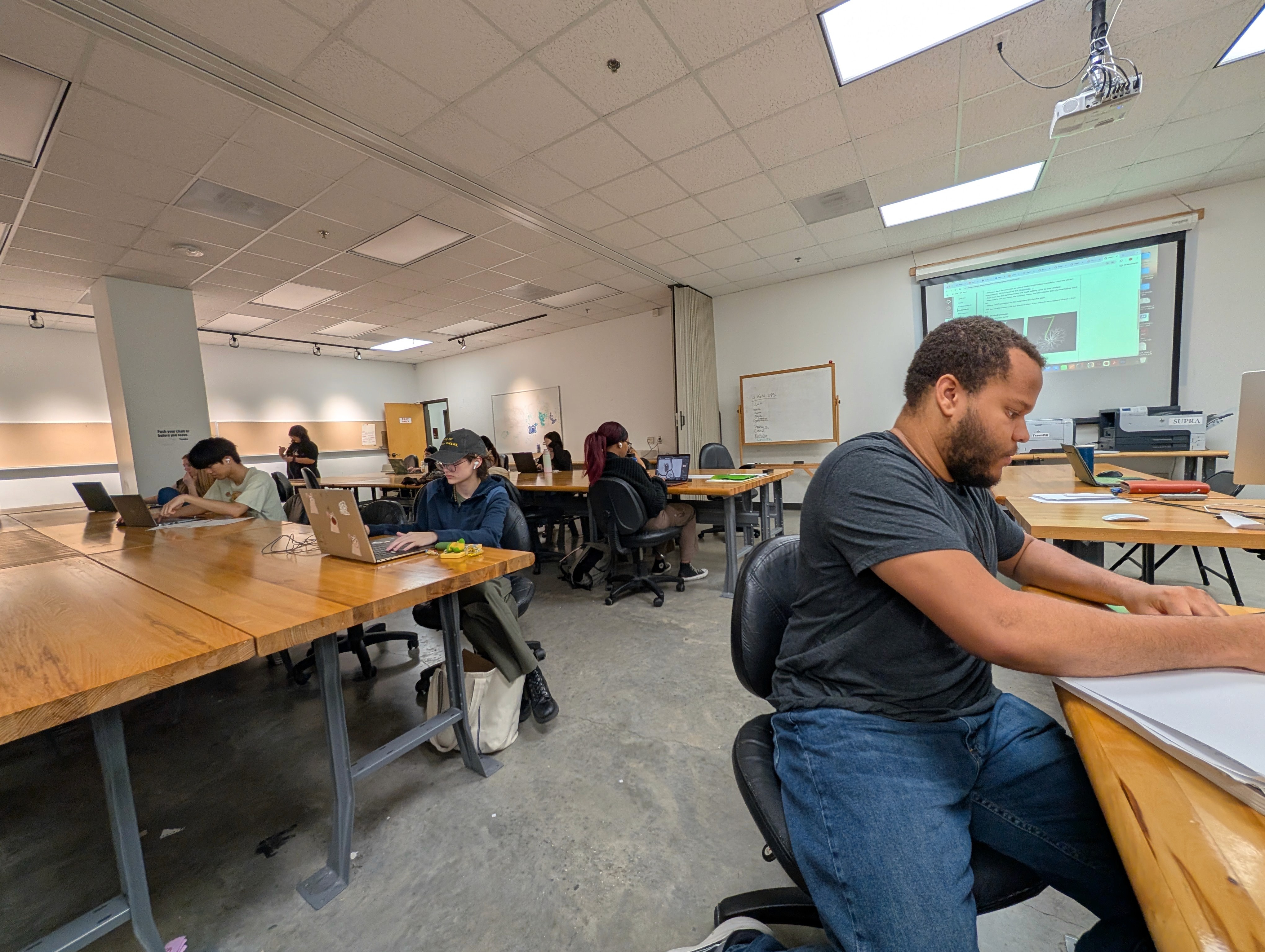
Along with our surveys and interview findings, we also observed the behaviors and work ethic of first years in their respective classrooms. We found that many first year classes are silent, with barely any talking amongst classmates happening with most students only speaking when the professor addresses them, but even then it takes a while for students to speak up. Many students are also seated in a way where there’s distance between each other, almost avoiding having to make contact with anyone.

The Professors Prospective
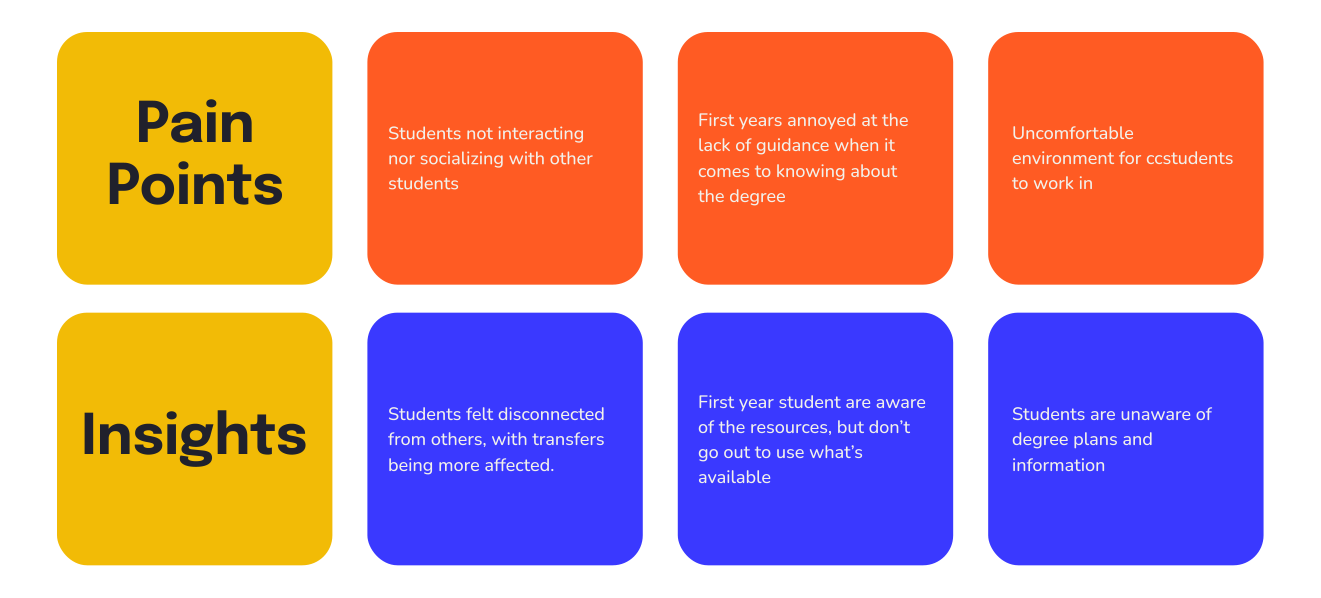
We interviewed multiple faculty members that oversee various first year courses in order to have a better understanding of the professors prospective. We found that many students lack a fundamental understanding of the degree resulting in students having very low confidence in the program. This leads to students not reaching out for help and under utilizing resources available to them.
Professors are the first point of contact in the classroom and can greatly influence students views and foster relationships in class. We wanted to know the prospective of these professors and how they view student relations.
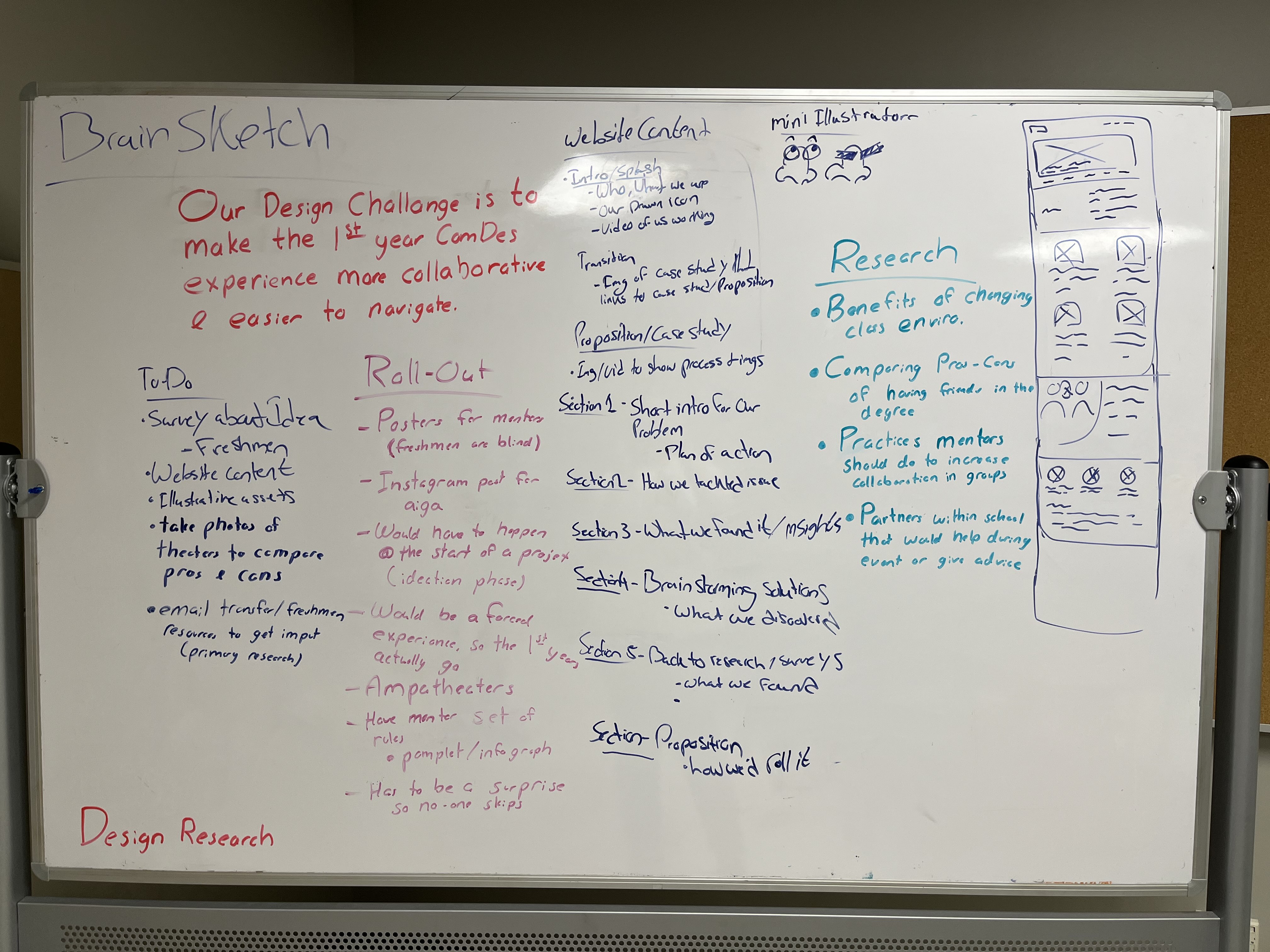
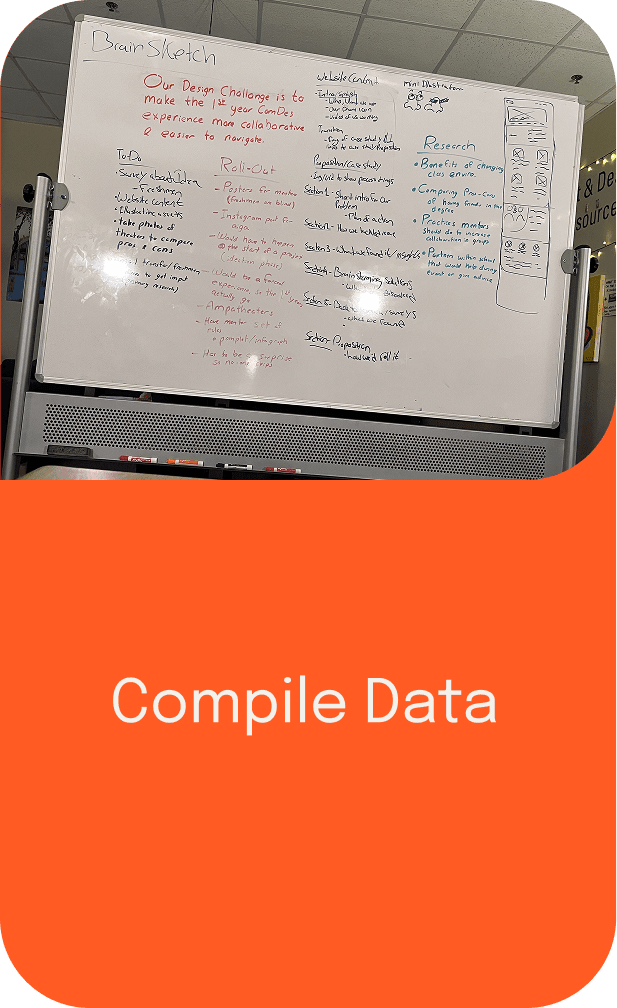
In progress organization of data and future steps.
The Struggles of Teaching
Professors struggle to get students engaged with both lectures and classwork in the program. The main reason for this is attributed to students being intimidated by the overwhelming amount of new information being presented in their first year. Teachers also feel a lack of flexibility in the physical spaces provided, with rigid classroom structures that don’t allow for movement within the class and hinder communication between peers.
Professors find that students underutilized critical resources that students should be using to succeed in the program, this leads to students struggling on their own and hindering their own development.
Lack of Connection
Our research has indicated that a large majority of first-year students are not engaged with the classroom. This has been observed mainly in beginning classes where students are still adjusting to the college environment.
Freshman don’t engage with professor provided lecture materials in the classroom.
Students have introduced an abundance of space between each other and many wear headphones, leading to a noticeably quiet classroom.
Students feel social pressure to not break the silence.
Forming Connections
Students need to be encouraged to engage with their peers and form genuine connections with those around them, we have developed ideas to implement in the classroom to help students connect.
Introducing randomized group activities and icebreakers, especially early in the semester, to help students build connections.
Implementing fun activities like a “Mad Hatter’s Tea Party” seating approach, where students must sit with different peers regularly.
Encouraging group critiques and collaborative exercises to promote dialogue among students.
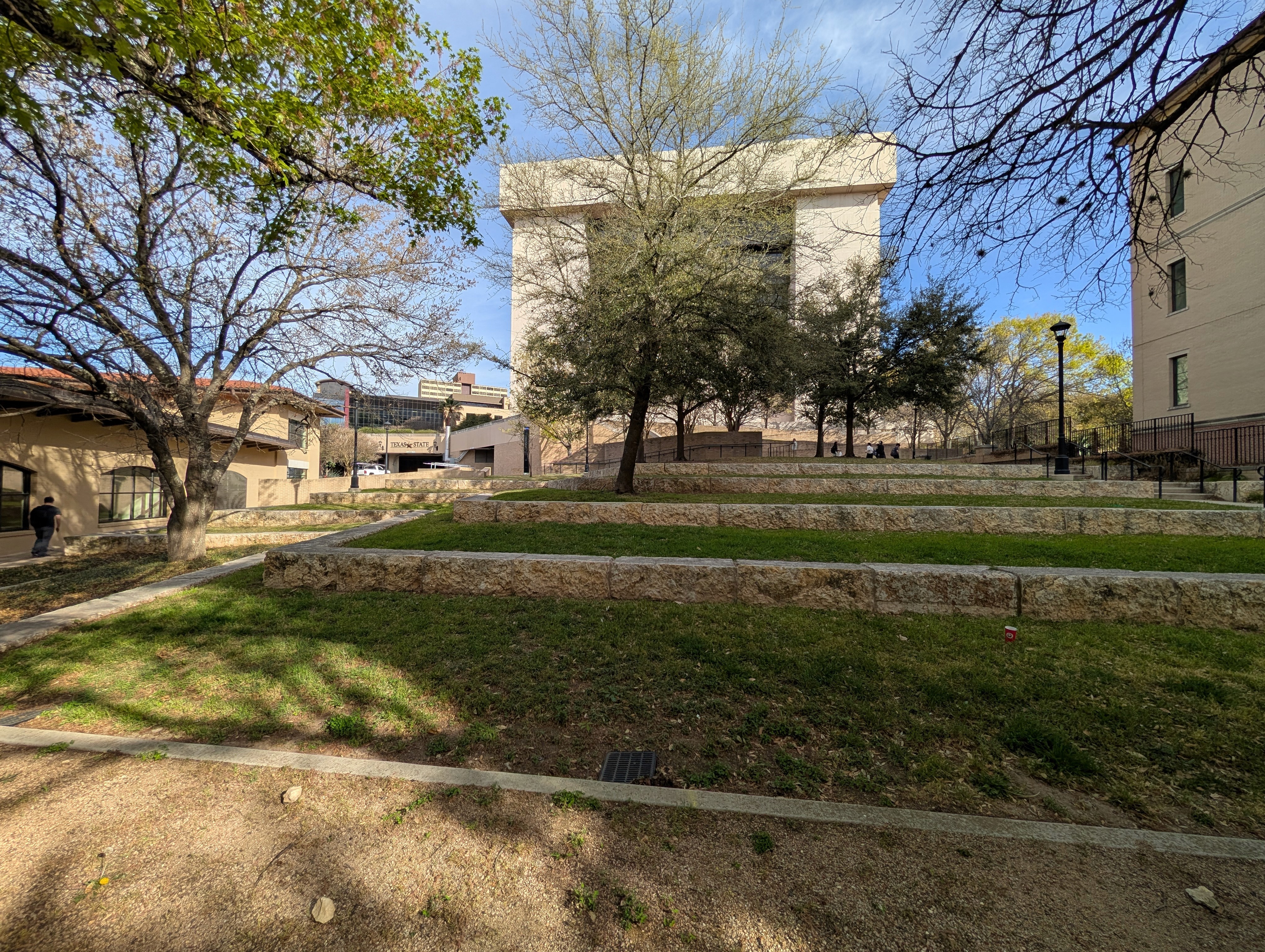
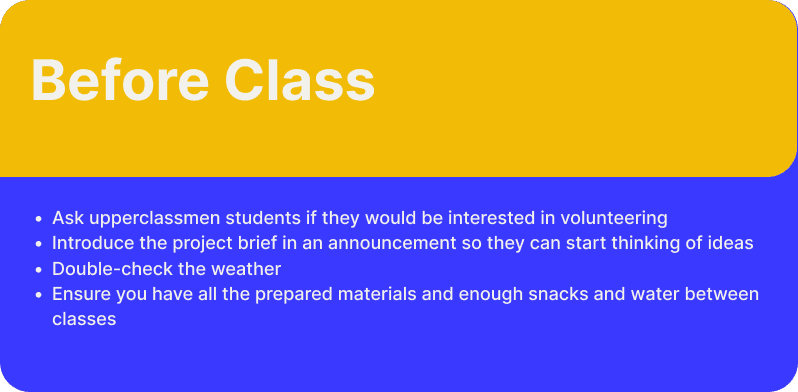
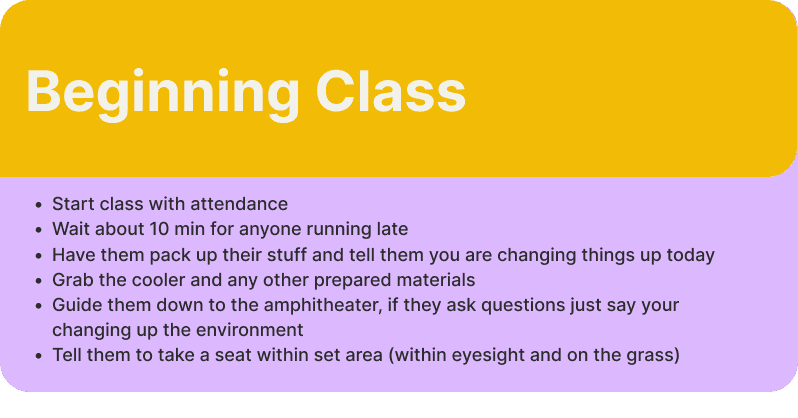
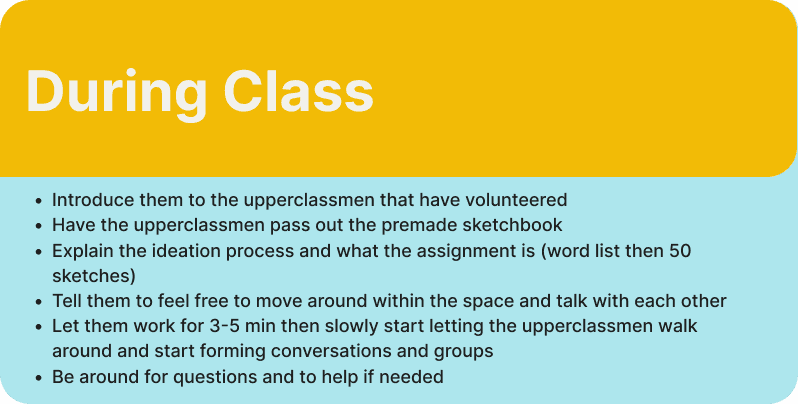
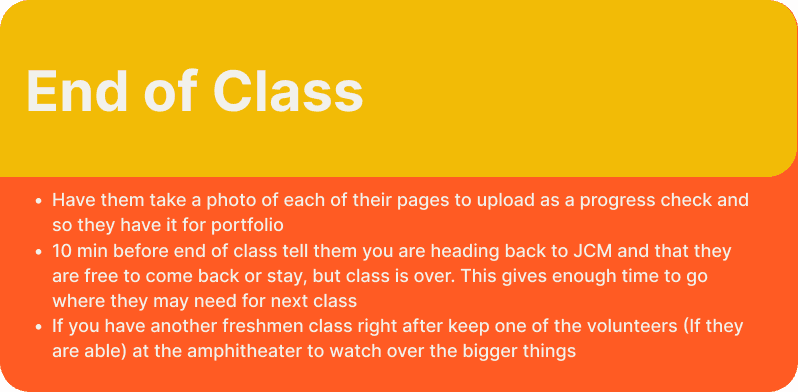
We want to get students and professors out of the rigid class space that they have grown accustom to, getting students outside in nature surrounded by their peers. In order to achieve this we have devised a plan for professors to incorporate into regular class time. Our plan revolves around 3 core ideas: